
Trust Wallet®® | Browser Extension
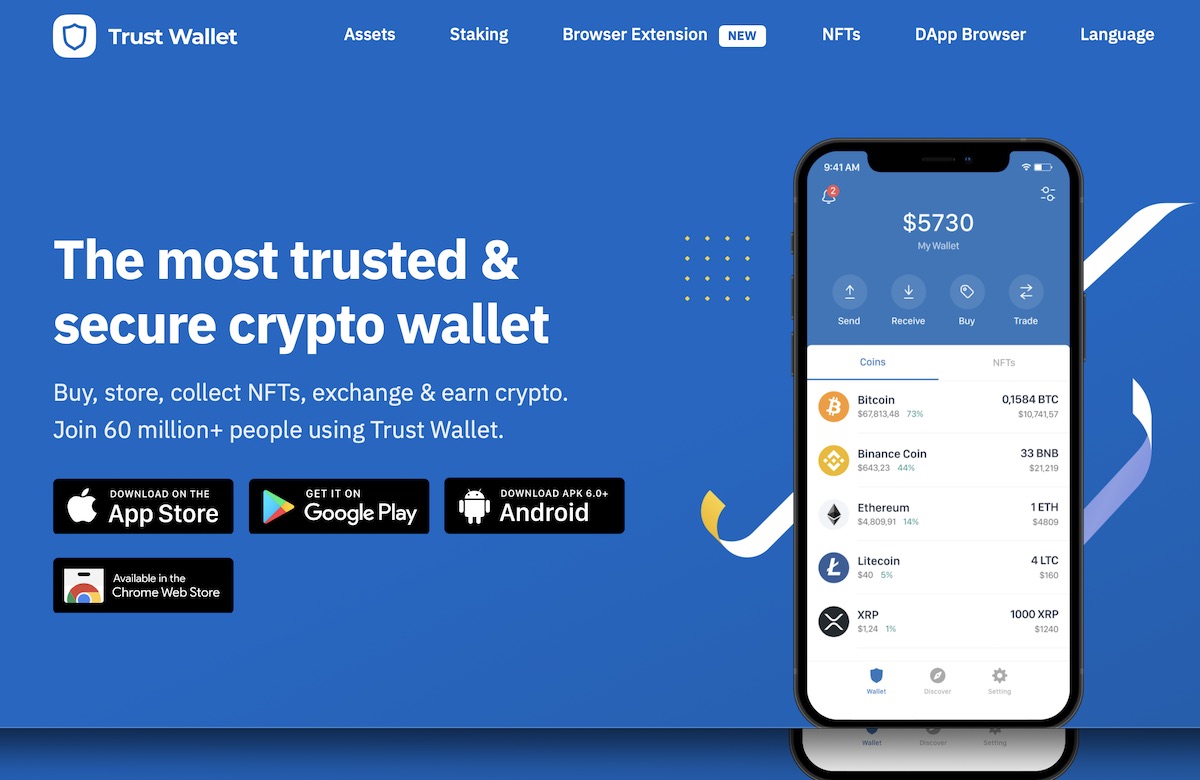
Trust Wallet: A Simple Guide to Managing Digital Assets
As digital assets become more popular, having a convenient way to manage cryptocurrencies is increasingly important. Trust Wallet is a self-custody crypto wallet designed to give users a simple way to store, send, receive, and manage supported digital assets. Its straightforward interface makes it suitable for both newcomers and experienced crypto users who want greater control over their assets.
What Is Trust Wallet?
Trust Wallet is a non-custodial cryptocurrency wallet that allows users to manage their digital assets directly. Unlike a traditional exchange account, a self-custody wallet gives the user responsibility for controlling wallet access and protecting recovery information. The wallet supports a broad range of cryptocurrencies and blockchain networks, allowing users to organize different assets from one application.
Getting started is generally simple. After installing the wallet through an appropriate official source, users can create or import a wallet and follow the setup instructions. During setup, a recovery phrase may be provided. This information is extremely important because it can be used to restore wallet access. It should never be publicly shared, posted online, or entered into an unfamiliar website.
How Trust Wallet Works
Trust Wallet provides an interface for interacting with blockchain networks. When a user sends cryptocurrency, the wallet helps prepare the transaction, while the selected blockchain processes and records it. Users can also receive assets by providing a compatible wallet address to the sender.
Beyond basic transfers, Trust Wallet can provide access to various Web3 experiences depending on the supported network and available features. Users may explore decentralized applications, manage tokens, and interact with blockchain-based services without handing control of their wallet keys to a centralized platform.
Advantages of Trust Wallet
- Self-custody: Users maintain control over their wallet rather than relying entirely on a centralized exchange.
- Convenient management: Multiple supported digital assets can be managed from one wallet interface.
- Web3 access: Compatible decentralized applications and blockchain services can be accessed through supported features.
- User-friendly design: The wallet is designed to make common cryptocurrency activities easier to understand.
- Flexible asset support: Users can work with assets across supported blockchain networks from a single wallet environment.
Tips for Using Trust Wallet Safely
Security begins with protecting your recovery phrase and wallet access. Never share a recovery phrase with another person, even if someone claims to represent wallet support. Be cautious when clicking cryptocurrency-related links, approving transactions, or connecting to decentralized applications. Before confirming a transaction, carefully review the recipient address, network, and amount.
It is also wise to download wallet software only from trusted, official distribution channels. Keeping your device updated and using strong security practices can further reduce avoidable risks. Remember that blockchain transactions are generally difficult or impossible to reverse after confirmation, so checking transaction details before approval is essential.
Why Trust Wallet Can Be Useful
For people who want a convenient self-custody solution, Trust Wallet can provide a practical way to interact with digital assets. Its combination of asset management, blockchain connectivity, and Web3 functionality makes it useful for users with different levels of crypto experience. However, self-custody also means that users are responsible for protecting their wallet credentials and making careful transaction decisions.
Frequently Asked Questions
1. What is Trust Wallet used for?
Trust Wallet can be used to manage supported cryptocurrencies and digital assets, send and receive funds, and interact with compatible blockchain and Web3 services.
2. Is Trust Wallet a self-custody wallet?
Yes. Trust Wallet is designed as a non-custodial wallet, meaning users are responsible for controlling and protecting their wallet access and recovery information.
3. How can I protect my Trust Wallet?
Keep your recovery phrase private and offline, use strong device security, avoid suspicious links, and carefully verify transaction information before approving it.
4. Can Trust Wallet manage multiple cryptocurrencies?
Yes. Trust Wallet supports numerous digital assets and blockchain networks, although the exact assets and features available can change over time.
5. What should I do if a website asks for my recovery phrase?
Do not provide it. A legitimate service should not require you to reveal your private recovery phrase. Treat unexpected requests for wallet credentials as a potential security risk.
Final Thoughts
Trust Wallet offers a convenient self-custody approach for users who want to manage digital assets and explore supported blockchain services from one wallet. Its accessible design and broad functionality can make crypto management easier, while responsible security practices remain essential. By protecting recovery information, verifying transactions, and using trusted sources, users can make more informed decisions when managing their digital assets.
Updated about 3 hours ago